
Is Your Child’s Pencil Grip Holding Them Back? Understanding Grasp and Pre-Writing Milestones
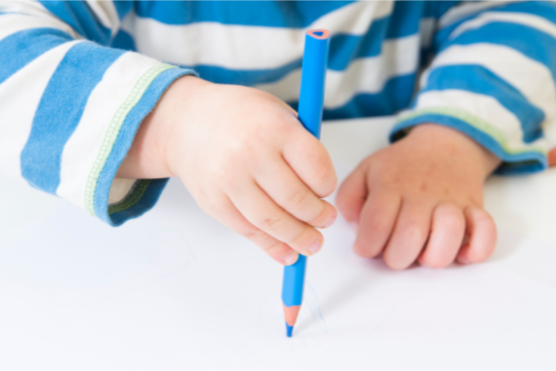
It often starts with something small… a scribble, a crayon held in a funny way, or a toddler who just isn’t interested in drawing at all. As parents, it’s natural to wonder: Is this normal? Should I be concerned?
What many people don’t realise is that writing doesn’t begin with a pencil. It starts much earlier, with how your child learns to grasp, explore, and use their hands.
As parents, we’re constantly watching our little ones grow and change, often wondering if they’re hitting their developmental milestones “on time.” One area that sometimes flies under the radar is fine motor development, specifically, how babies learn to grasp and how toddlers and preschoolers begin to develop the foundational skills they’ll need for writing later on.
If you’re wondering whether your child is on track or just curious about what’s coming next, you’re not alone. We’ve created this simple guide to help you understand grasp development during the first year of life and the pre-writing milestones you can expect from ages 1 to 5.
Grasp Development: 0–5 Years
Grasping is one of the earliest and most important fine motor skills your baby will develop. It starts as a reflex and gradually becomes a purposeful action. Here’s a quick look at what typically happens during the first year:
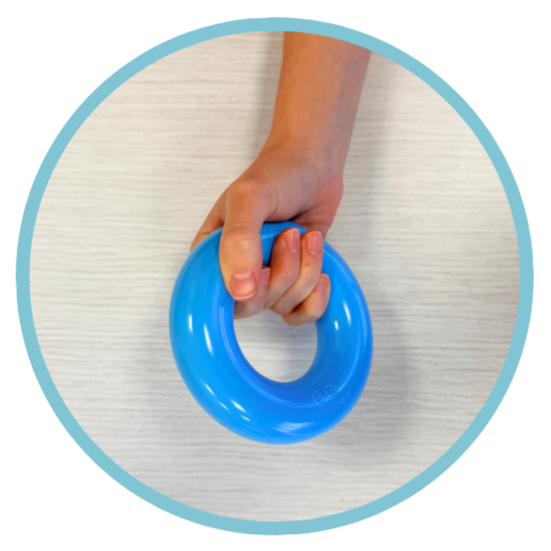
0–4 Months: Palmer Reflex
Appears when placing an object in the hand causing fingers to wrap around the object.
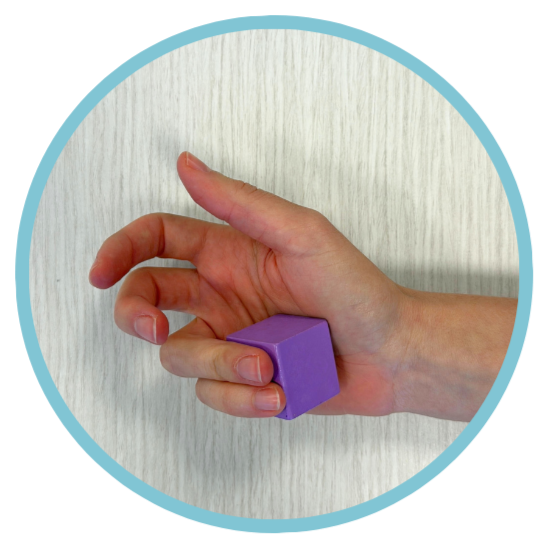
3–4 Months: Ulnar Palmer
Holding an object in the palm with the ring and pinky fingers stabilising the object.
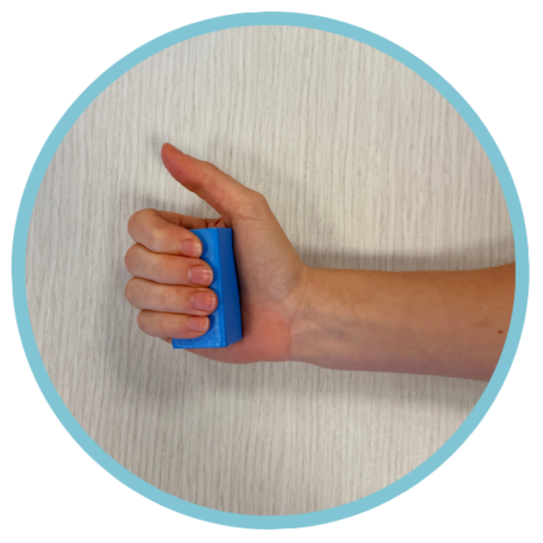
5-6 Months: Palmer
Object is secured by all four fingers (minus the thumb) in the palm.
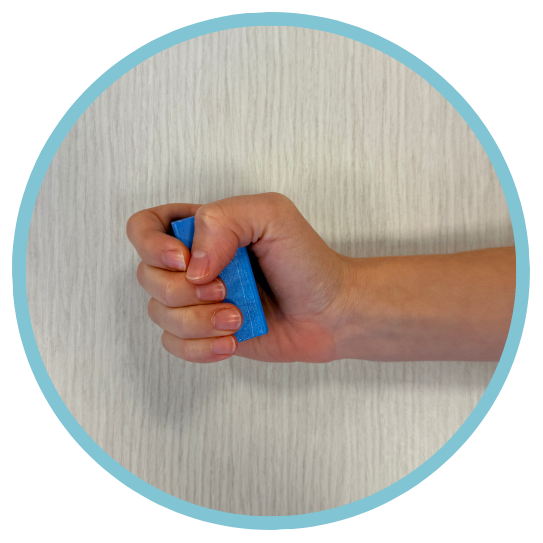
6-7 Months: Radial Palmer/Fisted
Object is secured by all fingers in the palm.
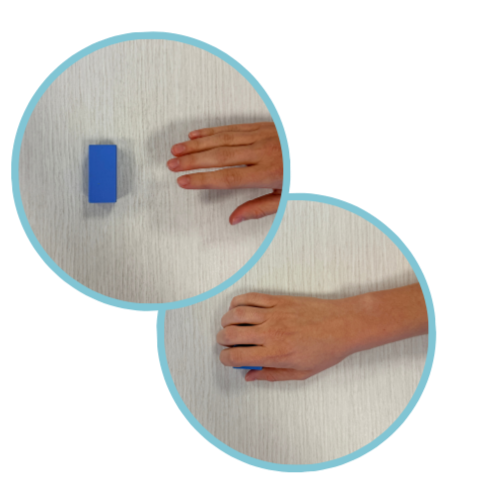
7-8 Months: Raking Grasp
Reaching with arm and all fingers to grasp objects.
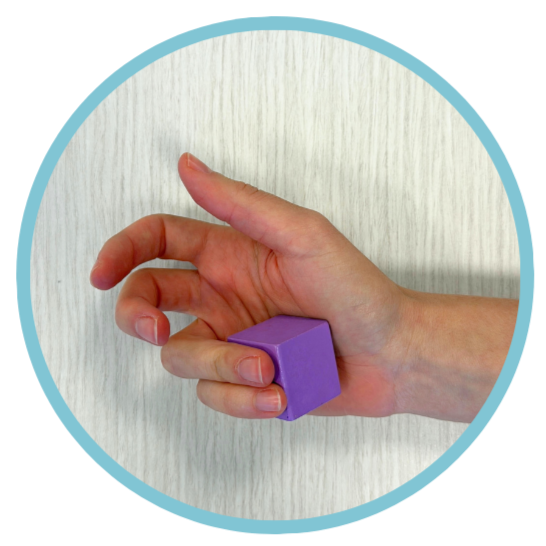
8-9 Months: Radial Digital Grasp
Often called the three-finger grasp.
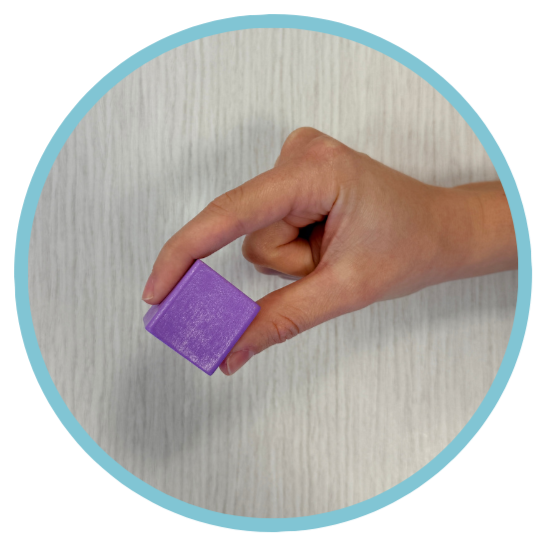
8-9 Months: Inferior Pincer Grasp
Using the pads of the thumb and index fingers - but not the fingertips - to pick up small objects.
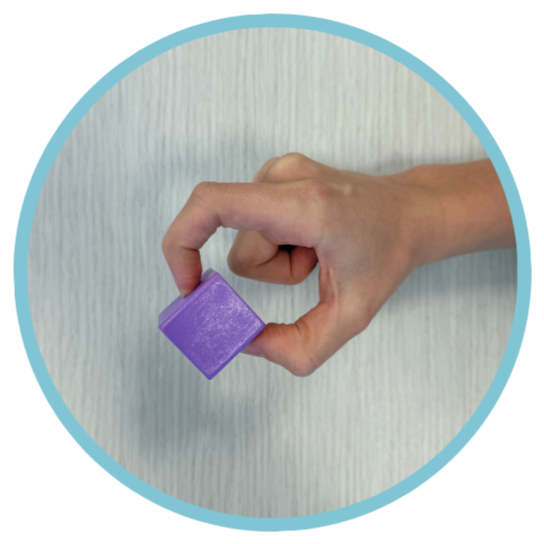
10-12 Months: Pincer
Using the tips of the thumb and index finger to grasp objects.
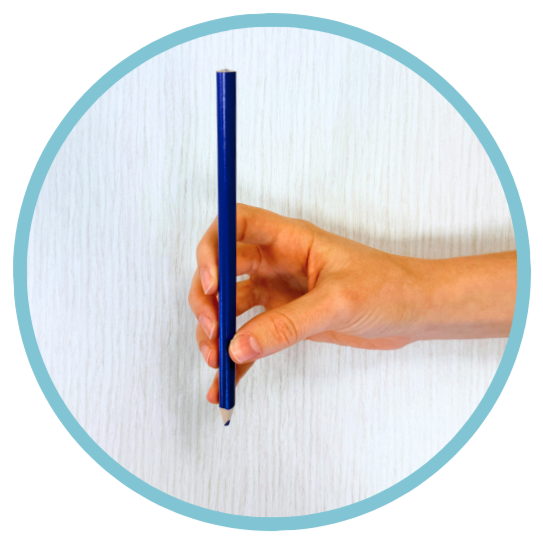
3-4 Years: Quadrupod Grasp
Four finger grasp on a pencil.

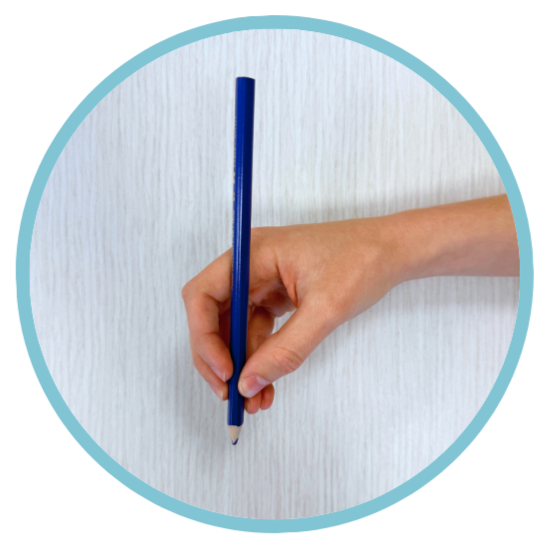
5 Years: Static Tripod Grasp
Three finger grasp on a pencil.
These early skills lay the groundwork for everything from feeding themselves to eventually holding a pencil.
Pre-Writing Milestones: 1–6 Years
From toddlerhood to school age, children begin to strengthen the muscles and coordination needed for writing. These skills include things like hand strength, finger dexterity, and eye-hand coordination.
Here’s what to expect:
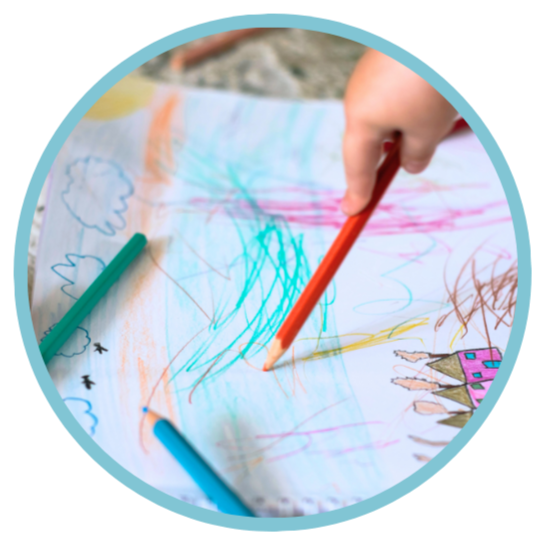
1–2 Years: Exploring and Imitating
Scribbles randomly with crayons or markers
Spontaneously scribbles in horizontal, vertical or circular motions.

2–3 Years: More Intentional Drawing
Imitates I and O

3–4 Years: Getting Ready for Letters
Copies I and O
Imitates +
Imitates a square

4-5 Years: Building Confidence
Copies + , squares and diagonals
Imitates X
Imitates triangles
Grasps pencil in writing position
5-6 Years: Early handwriting Skills
Copies X
Copies triangles
Hand dominance should be fully developed
Every child develops at their own pace, and small variations in timing are completely normal. However, if you notice significant delays in grasp development or your child avoids using their hands for activities like drawing or self-feeding, it may be worth chatting with your paediatrician or an occupational therapist.
Download Our Milestone Guide for the Development of Pre-writing Strokes and Shapes
Supporting Your Child’s Fine Motor Growth
You don’t need fancy toys or complicated activities to support your child’s fine motor development. Here are a few fun and easy ideas to try at home:
For Babies: Offer toys they can hold and explore, like soft rattles, textured teethers, or cloth books.
For Toddlers and Preschoolers: Try playdough, crayons, stickers, lacing beads, and simple puzzles. Let them practice with safe scissors, painting, and building blocks.
The most important ingredient? Time to play and explore, plus lots of encouragement from you.
Final Thoughts
Grasping and pre-writing skills develop over time, and every child follows their own unique path. By understanding what to expect and offering gentle support, you’re helping to lay the foundation for skills that will carry them through school and beyond.
Ref: Edwards S, Gallen D, McCoy-Powlen J, Suarez M, (2018) Hand Grasps and Manipulation Skills (2nd Ed.) SLACK Incorporated.